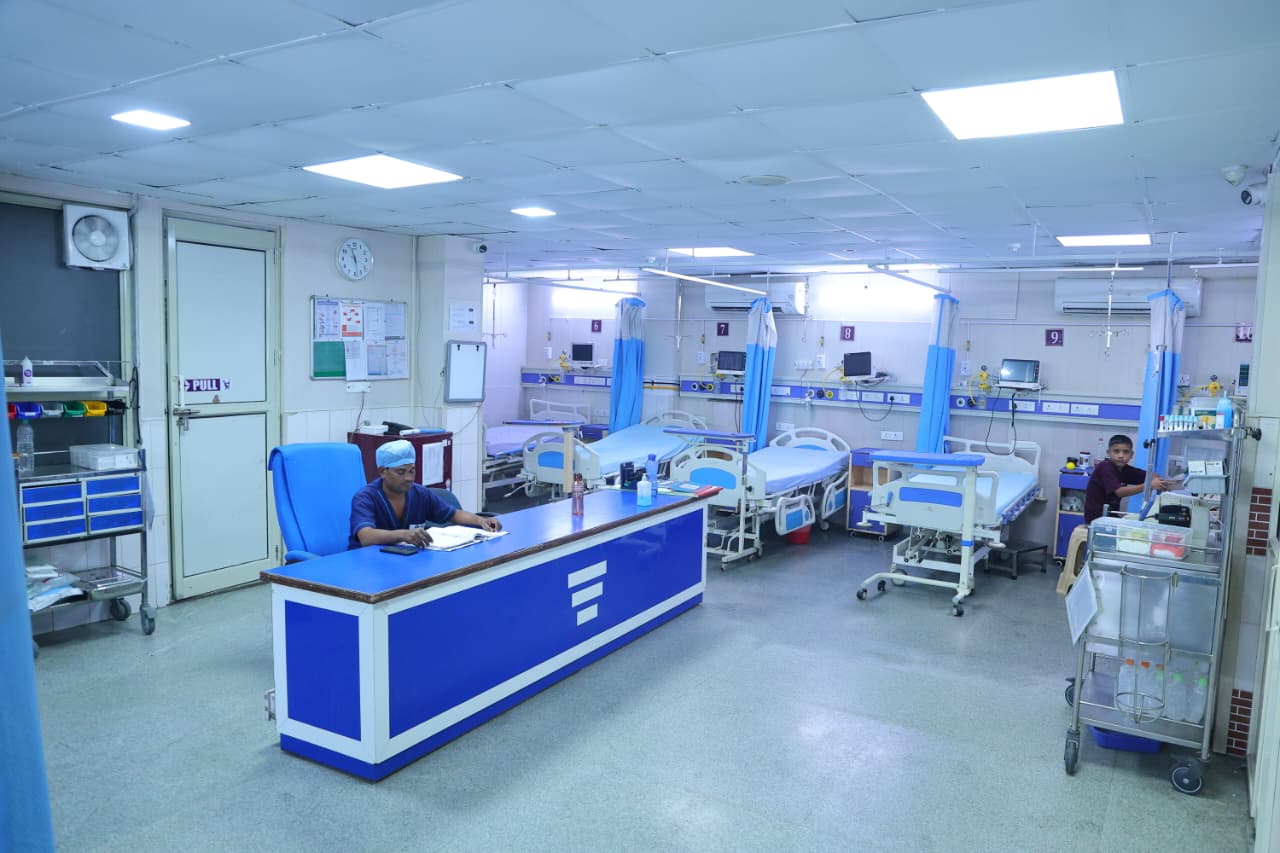
Setting up an Intensive Care Unit (ICU) is one of the most critical responsibilities for any hospital. An ICU is the heart of emergency and critical care—where every second, every machine, and every protocol can save a life. A well-planned ICU ensures safety, accuracy, infection control, and smooth coordination among medical teams.
Here’s a simple, structured guide on how to set up an ICU effectively.
1. Choose the Right Location
The ICU should be placed in an area that supports quick access and smooth movement of staff and equipment.
Ideal location features include:
- Easy access to Emergency Department (ED)
- Close to the Operation Theatres (OTs)
- Near diagnostic services like radiology and labs
- Away from noise and heavy foot traffic
A strategically chosen location reduces delays and improves patient outcomes.
2. Design the Layout for Safety and Efficiency
A well-designed ICU layout helps doctors and nurses work faster and safer.
Key design considerations:
- Minimum 150–200 sq. ft. per ICU bed
- 8–12 feet distance between beds for privacy and infection control
- Adequate natural and artificial lighting
- Clear visibility of all beds from the nursing station
- Proper workflow for staff movement, equipment, and emergencies
The goal is to create a space that is calm, organized, and ready for high-risk situations.
3. Provide Essential Medical Gases & Power Backup
Medical gases and power supply are the lifeline of an ICU.
Each bed should have:
- Oxygen outlet
- Medical air outlet
- Vacuum/suction outlet
- Pipeline for future expansion
Also ensure:
- 24/7 power backup
- UPS for critical devices
- Emergency lights and alarms
Even a few seconds of power disruption can be risky for critical patients.
4. Install the Right ICU Equipment
Choosing the right equipment is essential for accurate monitoring and treatment.
Must-have ICU equipment:
- Patient monitors
- Ventilators
- Syringe and infusion pumps
- Defibrillators
- Suction units
- Emergency crash cart
- Portable X-ray and ultrasound (optional, but helpful)
Equipment must be certified, calibrated, and placed in a dust-free, temperature-controlled environment.
5. Implement Infection Control Protocols
Infection control can make or break ICU outcomes.
Best practices:
- Use HEPA filters for clean air
- Maintain proper ventilation with 12 air changes per hour
- Separate clean and dirty zones
- Provide hand hygiene stations for staff and visitors
- Follow strict sterilization protocols
A safe ICU protects both patients and healthcare staff.
6. Build a Trained and Skilled ICU Team
Technology is essential—but skilled people save lives.
An effective ICU team includes:
- Critical care doctors
- Trained ICU nurses
- Respiratory therapists
- Technicians
- Housekeeping trained in infection control
Regular training sessions, mock drills, and equipment handling workshops keep the team ready for emergencies.
7. Establish Standard Operating Procedures (SOPs)
SOPs ensure uniform, safe, and reliable care.
Important SOPs include:
- Admission & discharge criteria
- Medication and dosage guidelines
- Emergency response protocols
- Ventilator management
- Documentation and reporting
- Equipment handling and breakdown procedures
Clear SOPs create a disciplined and efficient ICU environment.
Conclusion
Setting up an ICU requires careful planning, the right infrastructure, skilled staff, and strong protocols. When designed well, an ICU becomes a life-saving unit that delivers round-the-clock, high-quality care. Whether a hospital is expanding or establishing a new ICU, the focus must be on safety, efficiency, and patient-centered care.
Recent Posts






Get Free
Consultations
Special Advisors




Green Hospital Design: The Future of Healthcare